Dragons' Den Canada archive
Dragons' Den Canada Season 7
The CBC Dragons' Den season 7 pitches we have verified, each with its ask broken down and an honest note on the outcome.
149 products and businesses across 19 episodesFigures below are the ask each founder brought to the Den, in Canadian dollars. The on-air result, where we have it, is on each pitch page.

Products from this season
Browse the pitches, episode by episode
Episode 1
7 pitches
Episode 2
7 pitches
Episode 3
6 pitches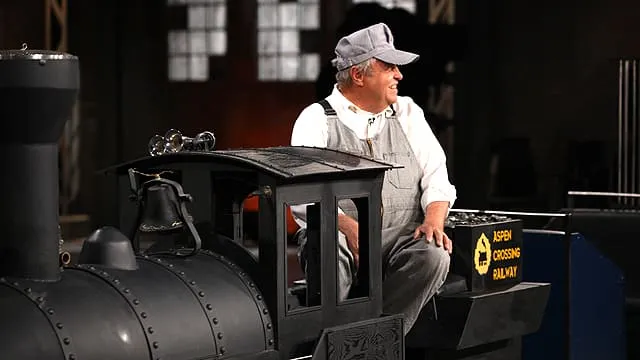
Aspen Railway Crossing
a train-themed tourist attraction and excursion railway near Mossleigh, Alberta
Still sellingView product
Episode 4
6 pitches


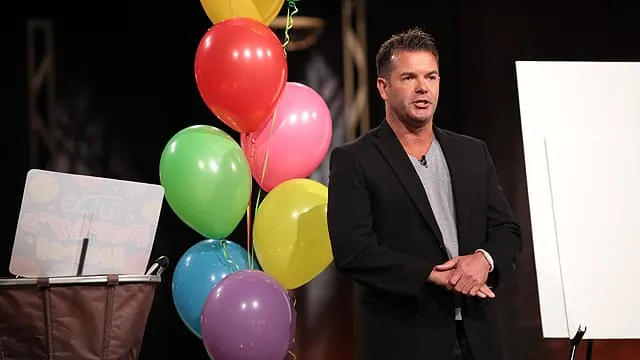
The HalfyBirthday Celebration
new celebration idea will result in a birthday present from the dragons
Episode 5
8 pitches





Episode 6
5 pitches


Episode 7
7 pitches



Episode 8
6 pitches

Episode 9
8 pitches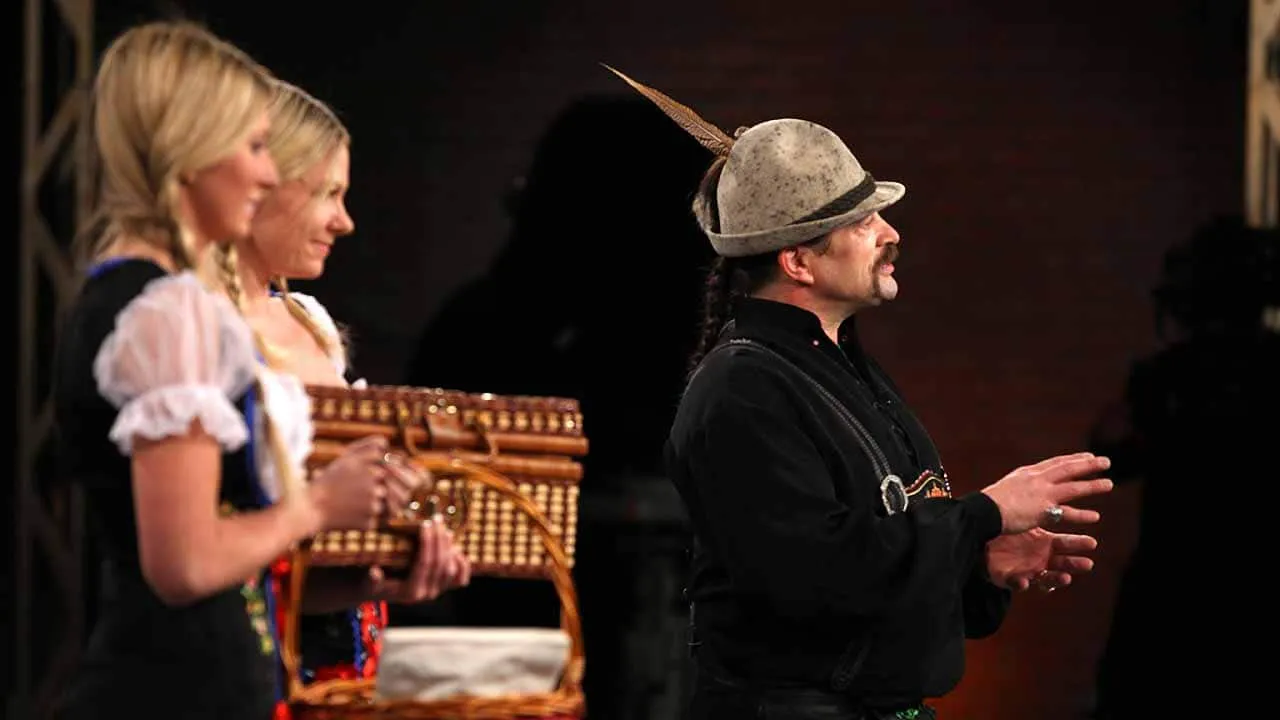


Episode 10
7 pitches


Episode 11
4 pitches
Episode 12
8 pitches


Episode 13
7 pitches


Episode 14
8 pitches

Episode 15
6 pitches

Episode 16
6 pitches


Episode 17
7 pitches
Episode 18
8 pitches



Episode 19
8 pitches


Other pitches this season
20 pitches


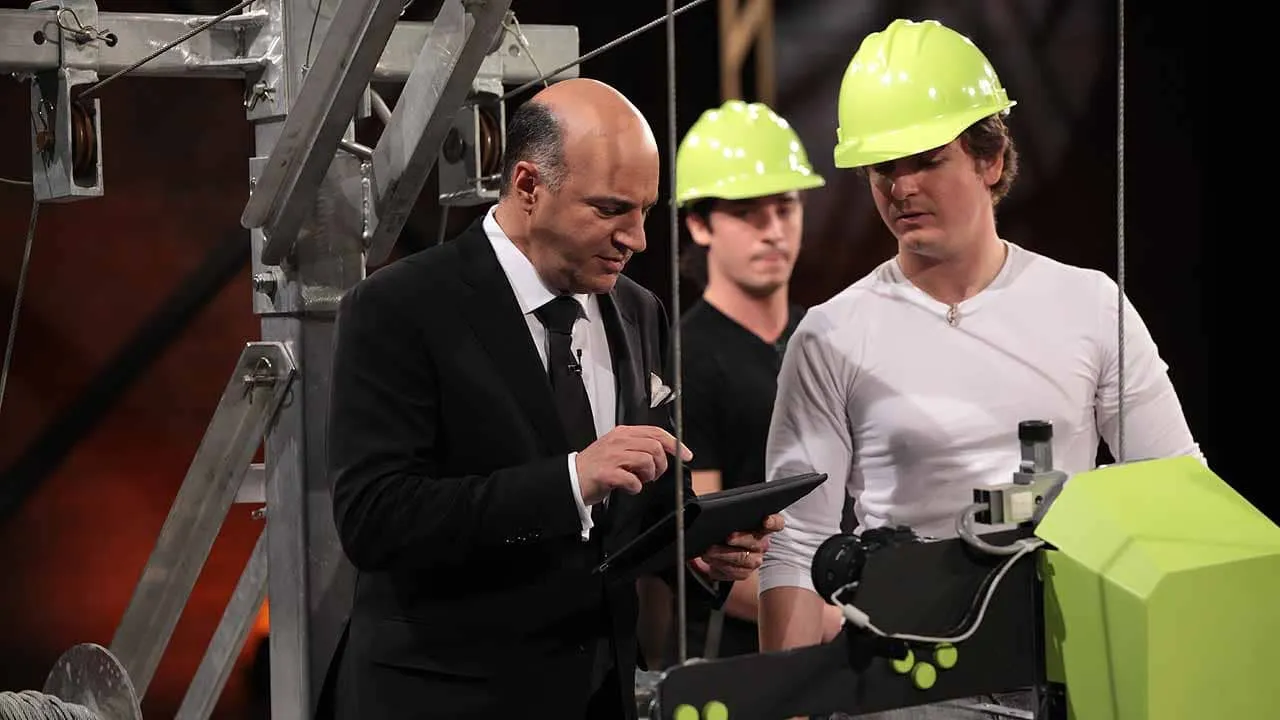
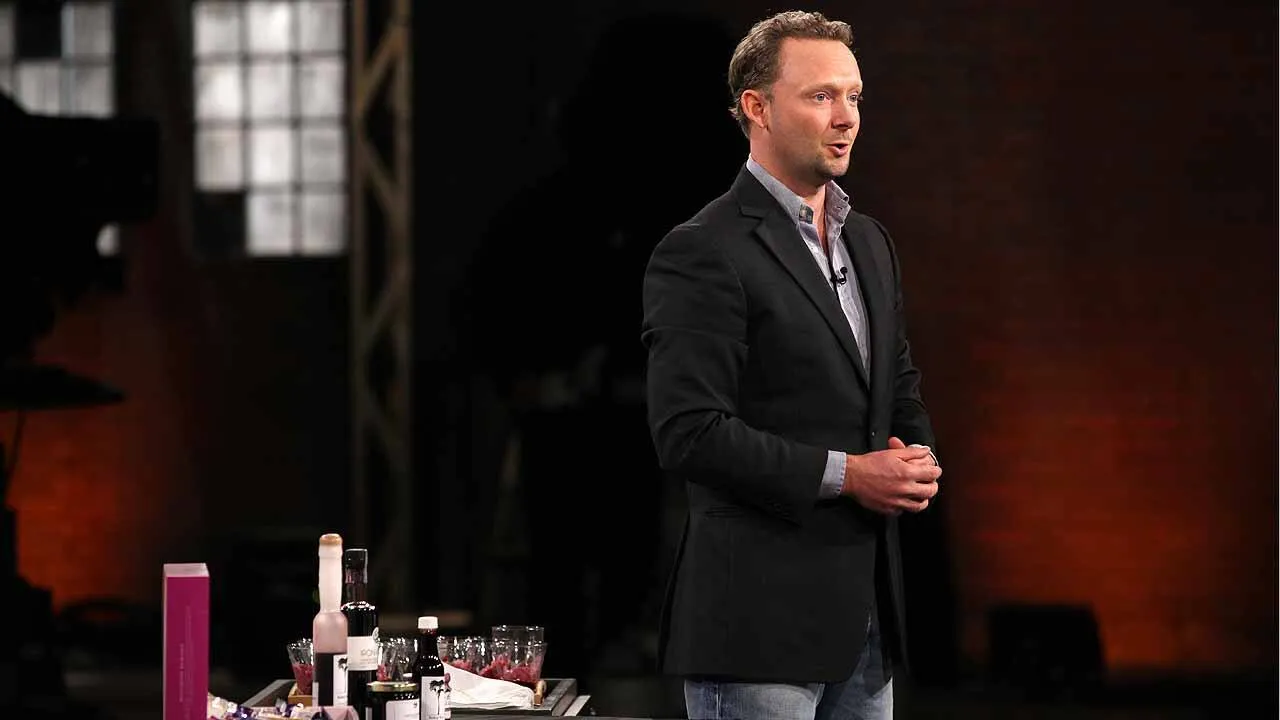
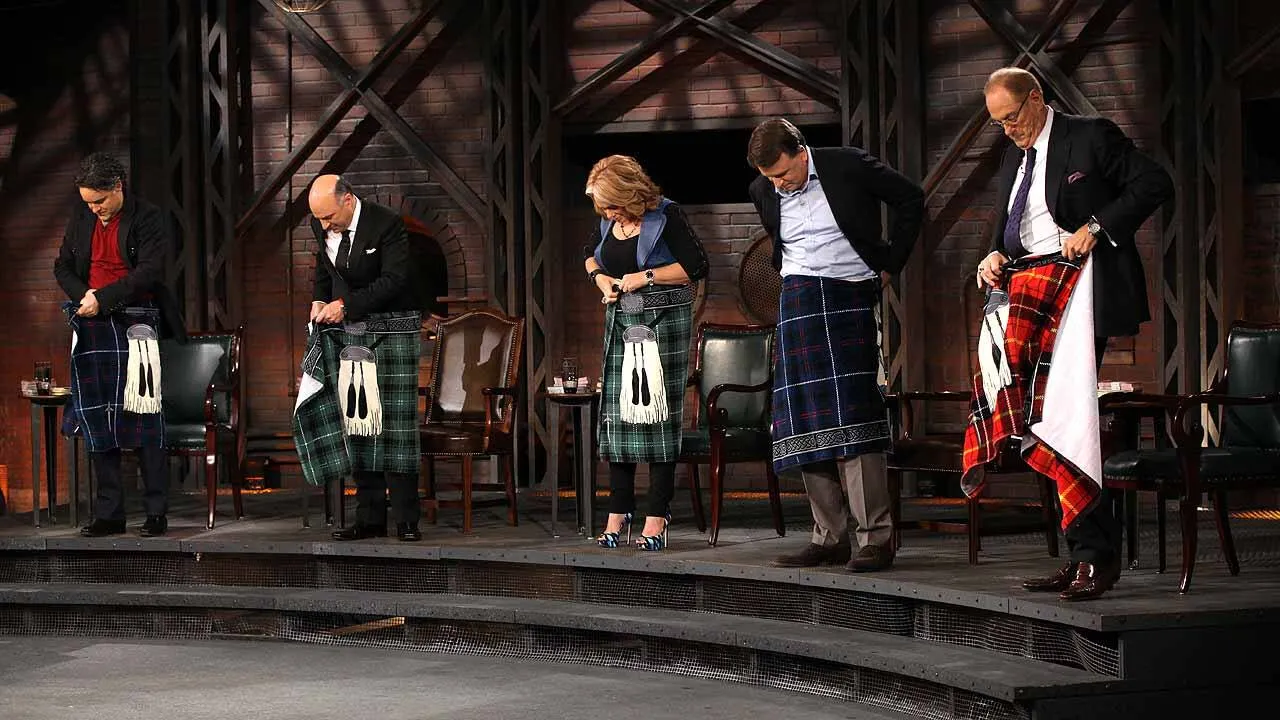




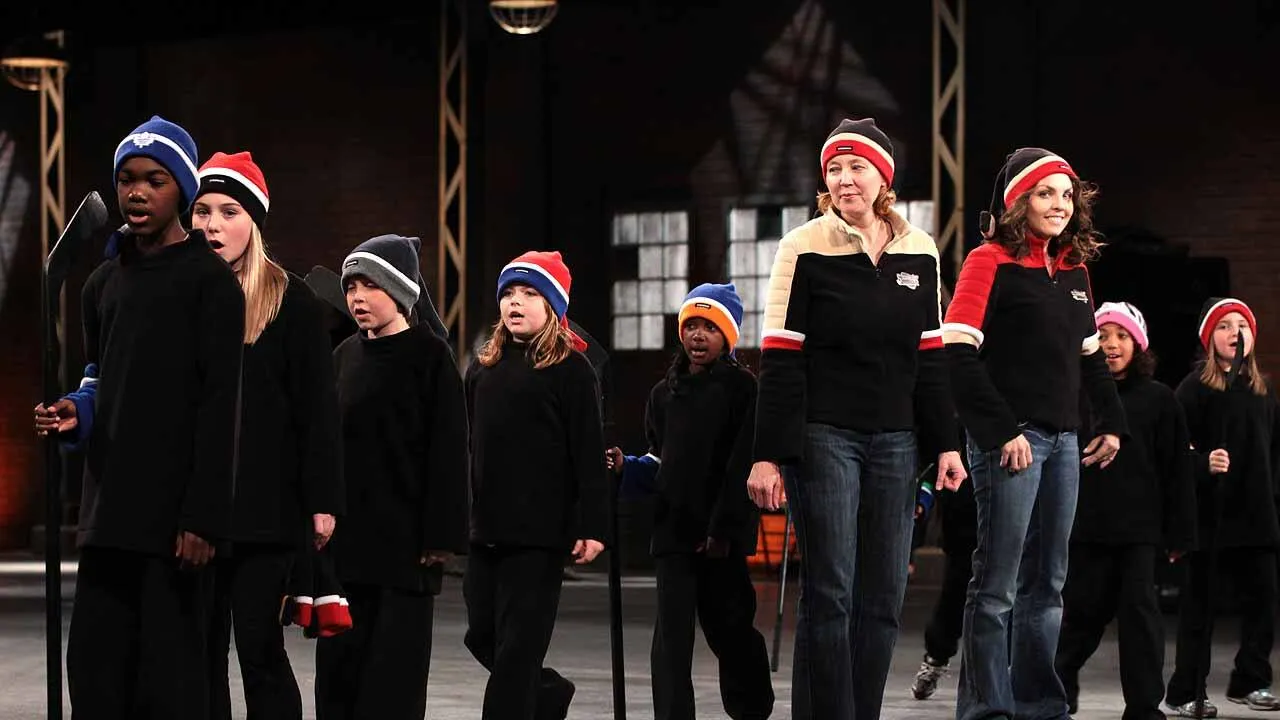
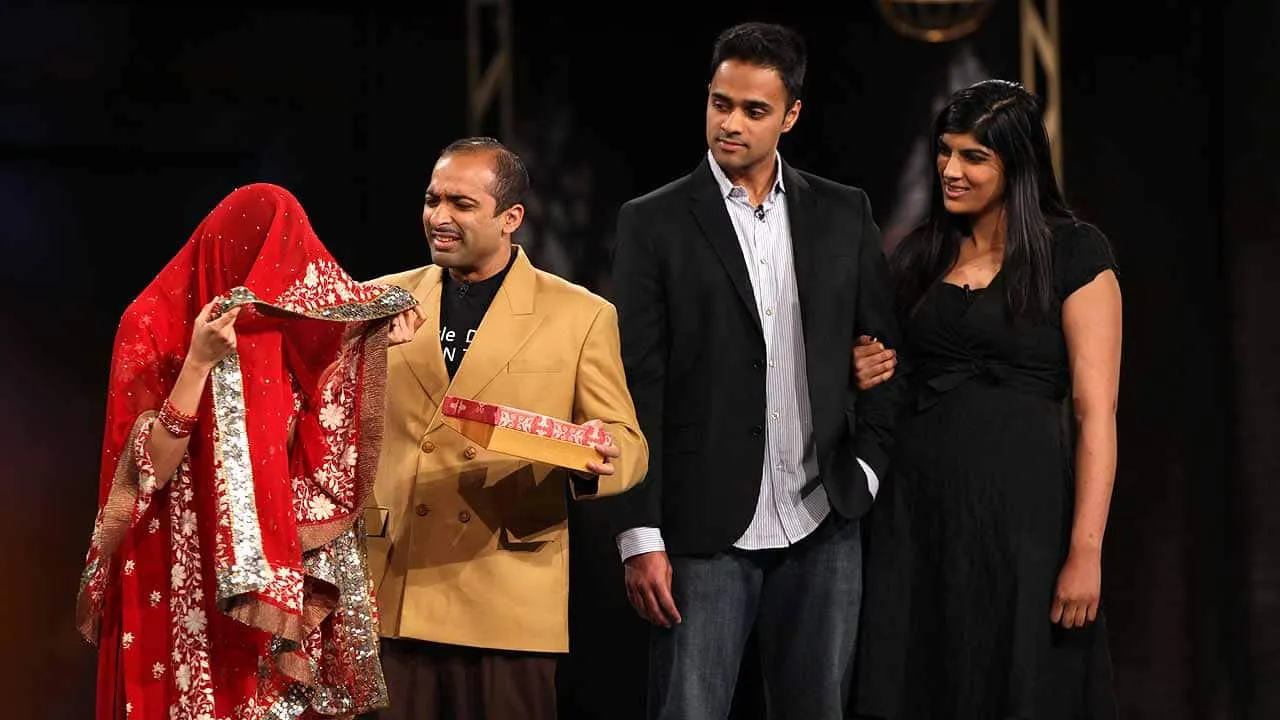
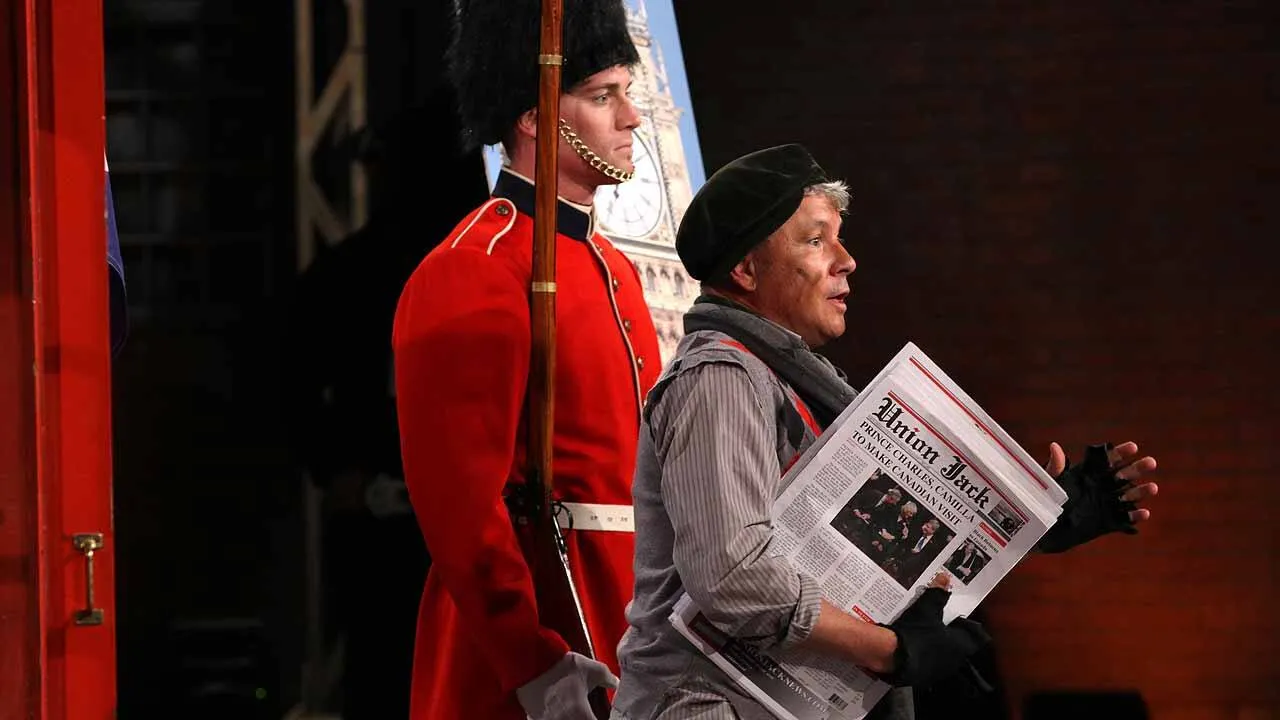
By season 7, Dragons' Den Canada was a fixture of the CBC schedule, and the pitches kept coming from every corner of the country.
This hub collects the season 7 entrepreneurs in our tracker. For each, we lay out what they asked the Dragons for and follow what can be confirmed about the deal and the business since.
Each pitch below carries the ask, the equity and the on-air result.
By season 7 the show was well established, and the pitches from this run cover a broad spread of the country: an Alberta excursion railway, a mobile tire service run out of a trailer, a hand-twisted pretzel maker, a cleanse-products brand out of Toronto.
Both deals in the group cost their founders serious ownership. GoTire's pair of Dragons wrote a bigger cheque than the ask for a proportionally bigger slice, holding the valuation steady at about $875,000, and the pretzel maker parted with better than a third of the business. Small companies with production constraints tend to pay in equity, because what they need is a partner who can fund capacity.