Is Toddle Still in Business? (2026 Update)
Still after Toddle?We have not confirmed a current listing, so this searches Amazon for you.
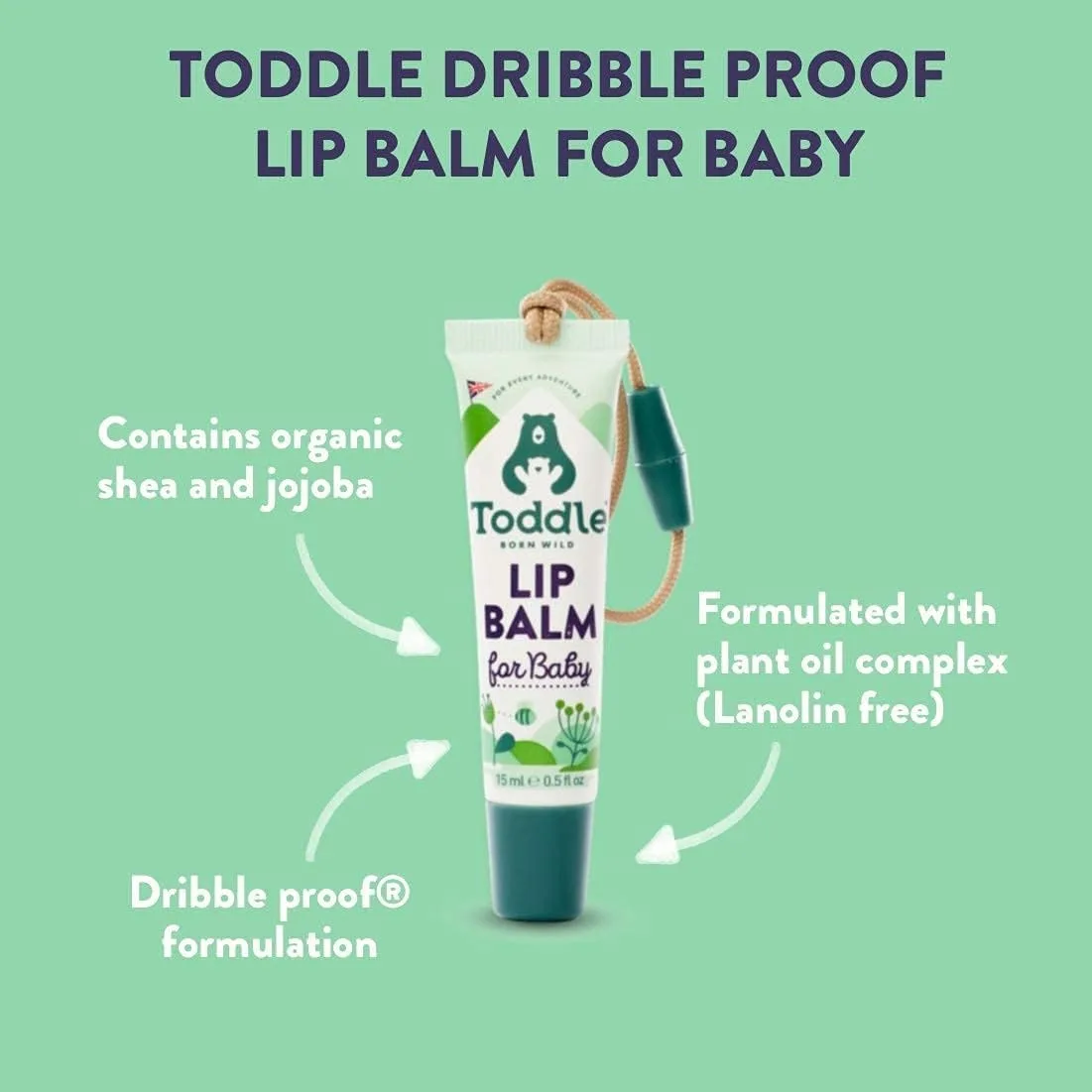
Look for Toddle on AmazonFull story →Hannah Saunders wanted children's skincare treated as gently as it should be from the start, not as an afterthought bolted onto adult formulas, and brought that idea into series 19, episode 9.
The brand is still trading, though the company behind it looks rather different on paper than it did the night it pitched.
A modest ask, a strong pairing
Saunders wanted £60,000 for a comparatively small 13% of the business, and Deborah Meaden and Steven Bartlett funded it together. Meaden's history with sustainable, well-made consumer goods paired naturally with Bartlett's reach in wellness marketing, and by some accounts the panel had rarely sounded quite this complimentary about a pitch that series.
Two Dragons choosing to split a single deal usually signals the room saw more upside than either wanted to shoulder alone.
Why trust matters more here than almost anywhere else
Parents are more cautious about what touches a child's skin than about nearly anything else they buy, which makes this category unusually dependent on earned trust rather than clever marketing or a cheap price tag. Get the ingredients or the safety story wrong once, and that trust disappears fast.
That dynamic likely explains why the growth here held up rather than fading after the broadcast: parents who have a good experience tend to stay loyal as their child moves through different products, and they talk about brands like this constantly within parenting circles, exactly the kind of recommendation no advertising budget can manufacture.
Bigger, but under new ownership
The range has grown to around 15 products with real retail distribution behind it, and reporting on the brand puts its valuation somewhere in the tens of millions today, worlds away from the number implied by the original Den pitch.
More recent reporting also has an outside investment firm acquiring a majority stake, reportedly around 97.6%. That kind of ownership shift usually means a business moving into a more structured, investor-backed phase to fund further growth, not a company in decline, since outside investors buy into brands they expect to keep growing.